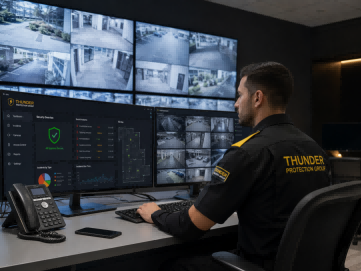
Modern security environments often involve multiple systems, service providers and response procedures operating independently.
When CCTV, alarms, access control, mobile patrols, on-site officers and client contacts are not properly coordinated, organisations may experience gaps in visibility, inconsistent communication and delayed decision-making.
Common challenges include:
Fragmented Oversight
Managing separate security systems, service providers and locations can make it difficult to maintain a clear understanding of what is happening across an organisation.
Without coordinated oversight, important information may be delayed, duplicated or overlooked.
Delayed Incident Response
When alerts and incidents are not supported by clear escalation procedures, response decisions may take longer than necessary.
This can increase the risk of property damage, business interruption, safety concerns and avoidable loss.
Inefficient Deployment of Security Resources
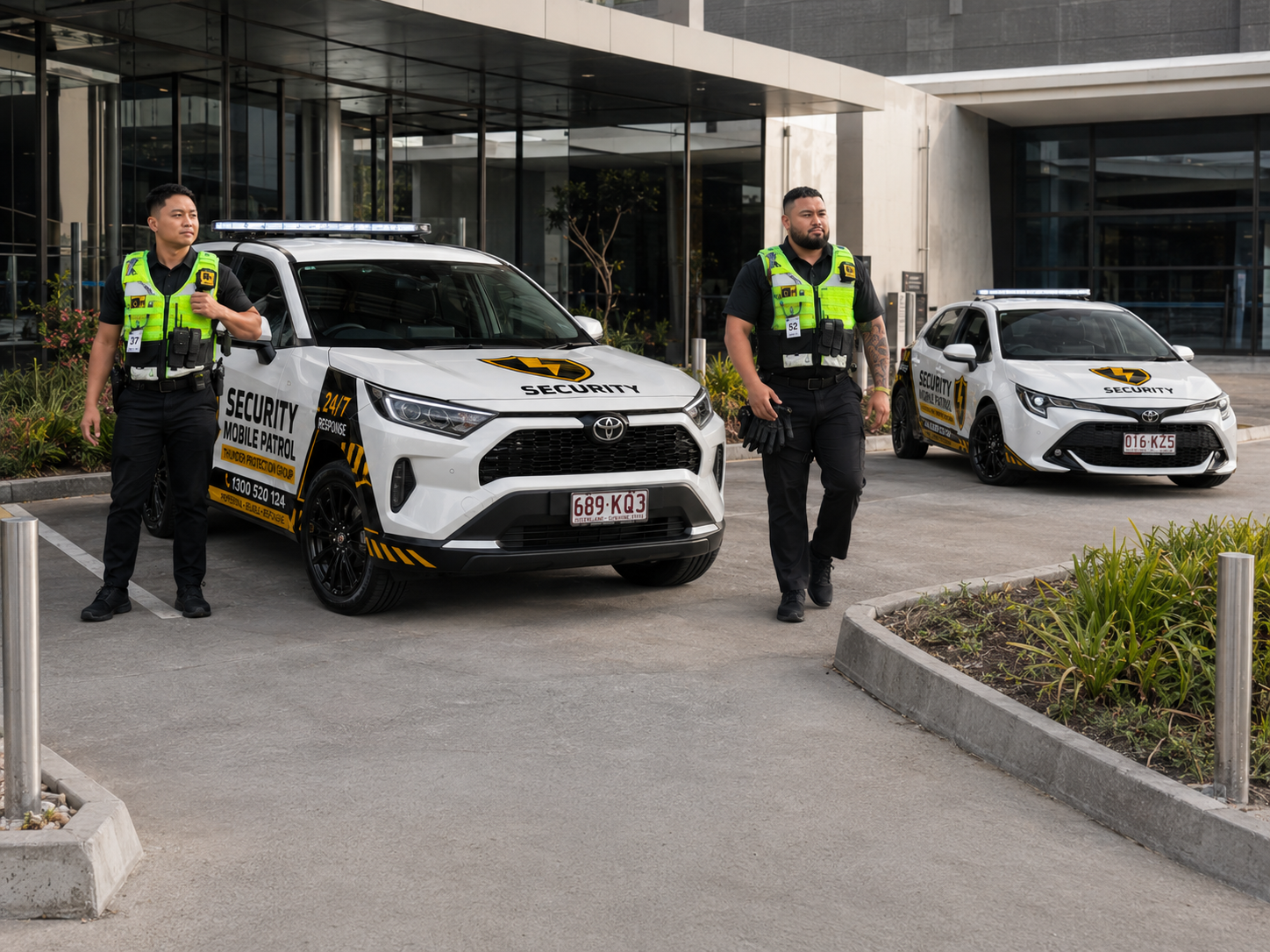
Without accurate information, security officers and mobile patrols may be sent to incidents unnecessarily or deployed without a clear understanding of the situation.
Better coordination can help direct resources to the locations where physical attendance is genuinely required.
Disconnected Security Technology
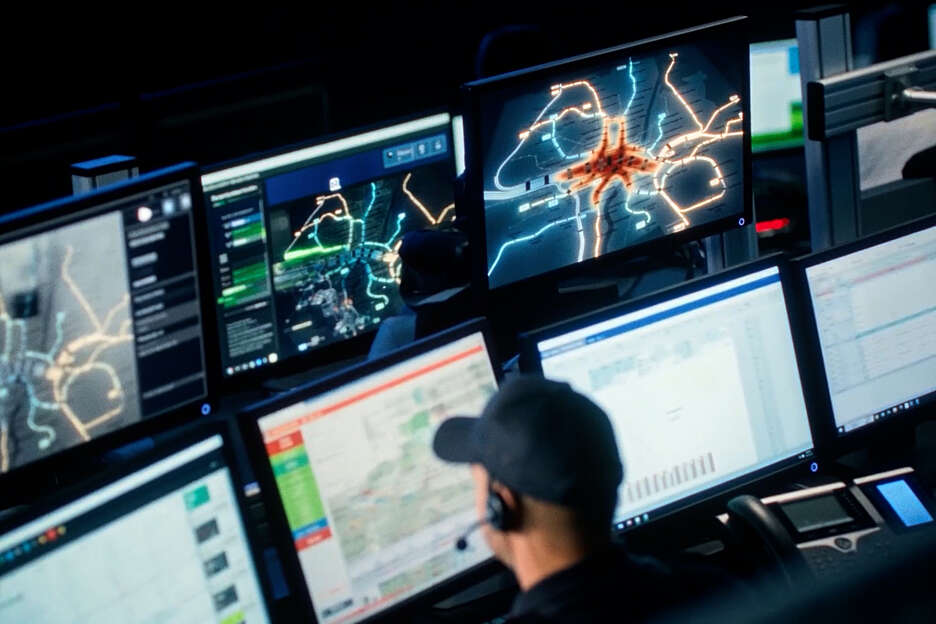
CCTV, alarms, access control and reporting platforms may operate separately and provide only a partial view of an incident.
Integrating compatible systems can improve situational awareness and help authorised personnel make more informed decisions.
Inconsistent Communication and Reporting
Where responsibilities and communication channels are unclear, clients may receive incomplete updates or experience delays in obtaining incident information.
Clear procedures and centralised reporting help improve accountability and service visibility.